Why You Can Do This Experiment: It’s Really Cool!
Have you ever wondered why ice floats in water? Or why the water level doesn’t rise when ice melts in a glass of water? If you’re curious about these questions, then you’re in for a treat because we’re going to explain the science behind this phenomenon and show you how to do a cool experiment that demonstrates it.
So, why does ice float in water? The answer lies in the fact that water is one of the few substances that becomes less dense when it freezes. This means that when water freezes, it takes up more space than it did when it was a liquid. This is because when water molecules are in a liquid state, they are close together and constantly moving around. But when water freezes, the molecules form a crystal lattice structure that spaces them out and makes them less dense.
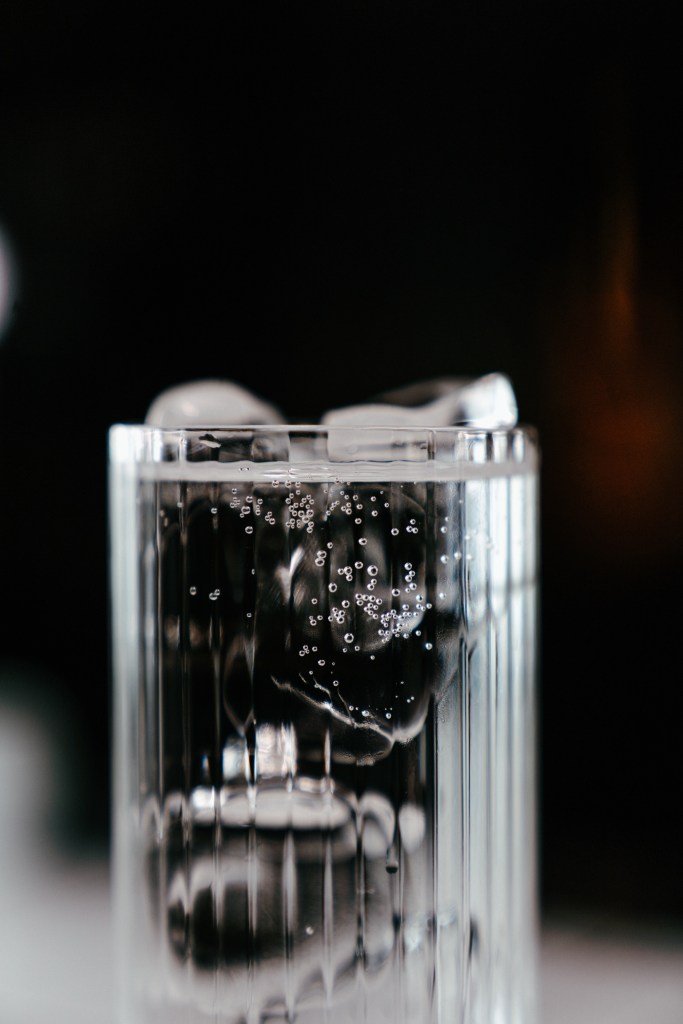
Now, let’s get to the fun part. Here’s how you can do the experiment:
- Fill up a glass with water.
- Put a few cubes of ice in the glass of water.
- Fill the glass up as much as you possibly can without spilling it.
- Observe that the ice is bobbing above the level of the water.
Why is this happening? As we mentioned earlier, water becomes less dense when it freezes. This means that ice is about 10% less dense than water. This buoyancy causes about 10% of the ice cube to be lifted above the surface of the water.
- Let the glass sit there and let the ice melt.
- Observe that the water level does not rise as the ice melts.
Why is this happening? When ice melts, it takes up less space than it did when it was a solid. This means that as the ice melts, the water level in the glass remains the same because the volume of the melted water is equal to the volume of the ice cube.
This experiment is a great way to demonstrate the principles of buoyancy and density. It also provides a fun visual display of the way that ice behaves in water. You can even try adding different amounts of ice to see how the water level changes as more or less ice melts.
So why not give this experiment a try? It’s a simple and fun way to learn about the science of ice and water, and it’s a great activity to do with kids or as a classroom demonstration. Who knew science could be so cool!
If you enjoyed reading this blog post and found it informative, we kindly ask that you consider leaving us a comment below and liking and sharing it with your friends and family. By doing so, you’ll be helping us reach a wider audience and spreading valuable information to those who may find it helpful. Additionally, your support means a lot to us, and it motivates us to continue creating high-quality content that you’ll enjoy. So, thank you for taking the time to read our blog, and we hope to see you again soon!
Readers: Note that the email address and logging in prompts do appear for comments on this blog, but providing an email address and logging in are not required.
 The Inquisitive Journal