A lot of people are puzzled by Stonehenge. It’s a prehistoric monument located in Wiltshire, England and has been the subject of countless theories and speculations. Despite being one of the most famous and iconic landmarks in the world, its purpose and construction still remain a mystery.
Stonehenge is built on Salisbury Plain and consists of two kinds of big megaliths: sarsens and bluestones. The sarsens are a type of sandstone that are found in abundance on a place called the Marlborough Downs, which is about 20 miles from Stonehenge. On the other hand, the bluestones are a type of rock that were brought a long way from Wales to Stonehenge, a distance of about 150 miles. The transportation of these massive stones from Wales to Stonehenge is one of the most intriguing mysteries about the monument.
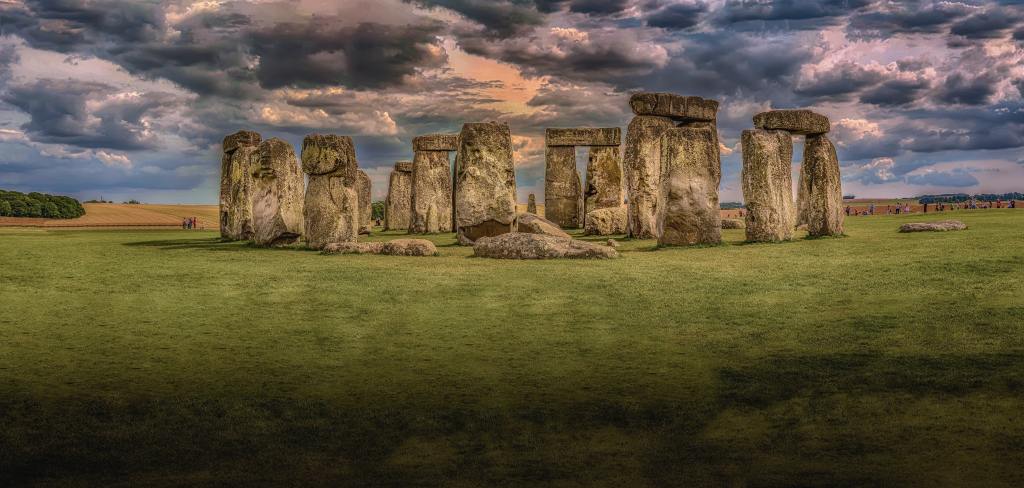
Recent research from 2018 has shed some light on the origin of Stonehenge’s sarsens. It turns out that two of those sarsens, Sass and Stone 16, were naturally in position all the time at Stonehenge. Additionally, the heelstone, which is located near the entrance to the monument, was also in place naturally. These findings provide a new perspective on the construction of the monument and may help to solve some of the mysteries surrounding it.
The alignment of the stones at Stonehenge has also been a topic of interest. If you stand behind Sasson, Stone 16 and look at the heelstone at dawn on the summer solstice, you will see the sun rising in direct alignment with the view. The heelstone acts like a sight on the barrel of a rifle targeting the sun, which has led some to speculate that the monument was used as an astronomical calendar or even as a site for ancient rituals.
Despite the new insights provided by recent research, Stonehenge remains a mystery in many ways. Its purpose, construction, and even its significance to the people who built it are still unclear. Some theories suggest that it was a burial site, a place for religious ceremonies, or even a landing site for extraterrestrial visitors. Whatever the truth may be, Stonehenge continues to captivate and inspire people from all over the world.
In conclusion, Stonehenge is a monument shrouded in mystery and intrigue. Its construction and purpose have puzzled archaeologists and historians for centuries, and despite recent findings, much remains unknown about this ancient site. Whether it was used as an astronomical calendar or for ancient rituals, it is clear that Stonehenge was a remarkable feat of engineering and an enduring symbol of human achievement.
If you enjoyed reading this blog post and found it informative, we kindly ask that you consider leaving us a comment below and liking and sharing it with your friends and family. By doing so, you’ll be helping us reach a wider audience and spreading valuable information to those who may find it helpful. Additionally, your support means a lot to us, and it motivates us to continue creating high-quality content that you’ll enjoy. So, thank you for taking the time to read our blog, and we hope to see you again soon!
Readers: Note that the email address and logging in prompts do appear for comments on this blog, but providing an email address and logging in are not required.
 The Inquisitive Journal