Rwanda is a small East African country known for its breathtaking scenery and wildlife. But what sets it apart from other countries is its dedication to environmental cleanliness. Fifteen years ago, they were one of the first countries to ban plastic bags, and their approach to enforcing this ban is one of the most extreme in the world.
The plastic bag ban is severe, with signs at the airport informing travelers that plastic bags are not allowed in the country. In fact, Rwanda is one of at least 40 countries that have restricted, banned or taxed the use of plastic bags. But, unlike many other countries, Rwanda’s ban on plastic bags is strictly enforced.
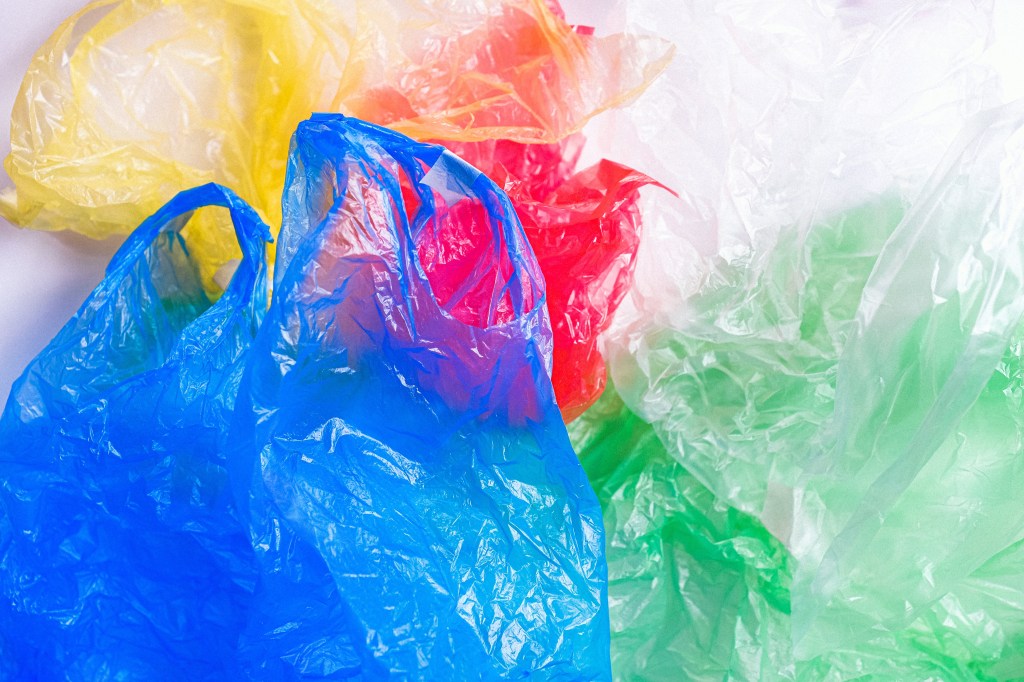
Owners of factories caught producing unauthorized bags face up to a year in prison. This harsh approach has paid off, as Rwanda is now one of the cleanest nations in the world. You won’t see any plastic bags littering the streets or countryside in Rwanda.
But the plastic bag ban is not the only reason why Rwanda is so clean. The country sets aside every last Saturday of the month for a community workday called “umuganda.” During this day, the entire country gets together and cleans up the joint. It is a mandatory day where everyone is expected to participate, and they do so with a smile on their face.
The community workday is not just about picking up garbage. It also involves cutting the grass and trimming bushes, making sure that the environment is not only clean but also well maintained. Umuganda is a cultural practice that dates back centuries in Rwanda, and the government has made it mandatory for all citizens to participate in it.
The results are incredible. Rwanda’s cities and countryside are among the cleanest in the world. There is no litter on the streets, and the air is fresh and clean. It is a stark contrast to many other African countries where pollution and garbage are a significant problem.
Rwanda’s commitment to environmental cleanliness is not just a matter of pride; it is also a matter of necessity. The country has limited resources, and the government recognizes that keeping the environment clean and healthy is essential for its people’s well-being.
But Rwanda’s commitment to environmental cleanliness is not just about its own citizens. The country is also an example to other countries around the world that environmental cleanliness is achievable with the right policies and practices in place. By banning plastic bags and making community workdays mandatory, Rwanda has shown that a clean environment is possible even in the poorest countries.
In conclusion, Rwanda’s commitment to environmental cleanliness is impressive. Its ban on plastic bags is one of the most severe in the world, and its community workday, umuganda, is a cultural practice that has become a mandatory day of cleaning for all citizens. The results are clear to see; Rwanda is now one of the cleanest nations in the world. Other countries can learn from Rwanda’s example and adopt similar policies and practices to achieve environmental cleanliness.
If you enjoyed reading this blog post and found it informative, we kindly ask that you consider leaving us a comment below and liking and sharing it with your friends and family. By doing so, you’ll be helping us reach a wider audience and spreading valuable information to those who may find it helpful. Additionally, your support means a lot to us, and it motivates us to continue creating high-quality content that you’ll enjoy. So, thank you for taking the time to read our blog, and we hope to see you again soon!
Readers: Note that the email address and logging in prompts do appear for comments on this blog, but providing an email address and logging in are not required.
 The Inquisitive Journal