The world’s largest animal, the blue whale, was hunted to near extinction in the early 20th century. But in recent years, there have been signs of a comeback. Scientists studying whale movements off the sub-antarctic island of South Georgia have recorded a record-high number of critically endangered blue whales in the area.
In just 23 days, The British Arctic Survey spotted an incredible 55 blue whales, compared to only a handful of sightings in the area in the last 50 years. These waters were once home to nearly a quarter of a million blue whales. However, boats armed with steam-powered harpoons almost decimated their population.
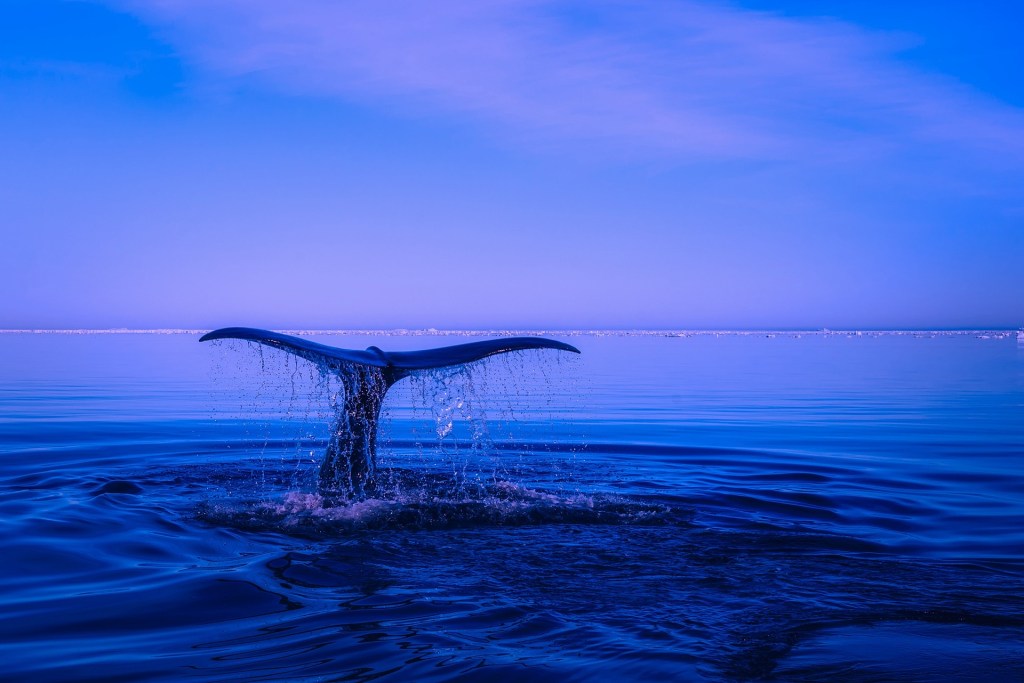
The sightings of these magnificent creatures are significant because blue whales are the largest animal ever to have lived, with a length of up to 100 feet (30 meters) and a weight of up to 200 tons (180 metric tonnes). Moreover, they play a critical role in the ocean’s ecosystem.
It’s not just blue whales that are making a comeback, either. Populations of humpback and southern right whales may also be close to a full recovery around the island. These recoveries are thanks to a ban on commercial whaling that came into effect in 1966.
“To witness 55 of them now return to what was once a pre-eminent feeding ground for the population has been truly, truly amazing,” said cetacean specialist Trevor Branch in an interview with BBC News. “To think that in a period of 40 or 50 years, I only had records for two sightings of blue whales around South Georgia. Since 2007, there have been maybe a couple more isolated sightings. So to go from basically nothing to 55 in one year is astonishing.”
However, despite this remarkable recovery, blue whales still face several threats. Climate change, which affects the availability of their food, is one of them. In addition, shipping traffic, pollution, and entanglement in fishing gear are all major concerns.
That’s why organizations like the International Whaling Commission and the World Wildlife Fund are working hard to protect these majestic creatures. The WWF has been working with the government of South Georgia and the South Sandwich Islands to create marine protected areas, which provide a safe haven for whales and other marine life.
The recovery of blue whales in the sub-antarctic waters is a hopeful sign that conservation efforts can make a real difference. However, we still have a long way to go to ensure that these magnificent creatures are protected for generations to come.
If you enjoyed reading this blog post and found it informative, we kindly ask that you consider leaving us a comment below and liking and sharing it with your friends and family. By doing so, you’ll be helping us reach a wider audience and spreading valuable information to those who may find it helpful. Additionally, your support means a lot to us, and it motivates us to continue creating high-quality content that you’ll enjoy. So, thank you for taking the time to read our blog, and we hope to see you again soon!
Readers: Note that the email address and logging in prompts do appear for comments on this blog, but providing an email address and logging in are not required.
 The Inquisitive Journal