Dioxin, also known as Agent Orange, is a highly toxic chemical that has caused significant environmental and health concerns since its discovery in the 1940s. The chemical was used extensively during the Vietnam War as a defoliant to clear the dense jungle terrain and destroy crops, leaving an entire generation of Vietnamese civilians and American soldiers with life-long health complications.
Dioxin is a member of the chlorinated hydrocarbon family and is produced as a by-product of various industrial processes, including the production of herbicides, pesticides, and plastics. It is classified as a persistent organic pollutant because it can remain in the environment for decades and even centuries, accumulating in the soil, water, and air.
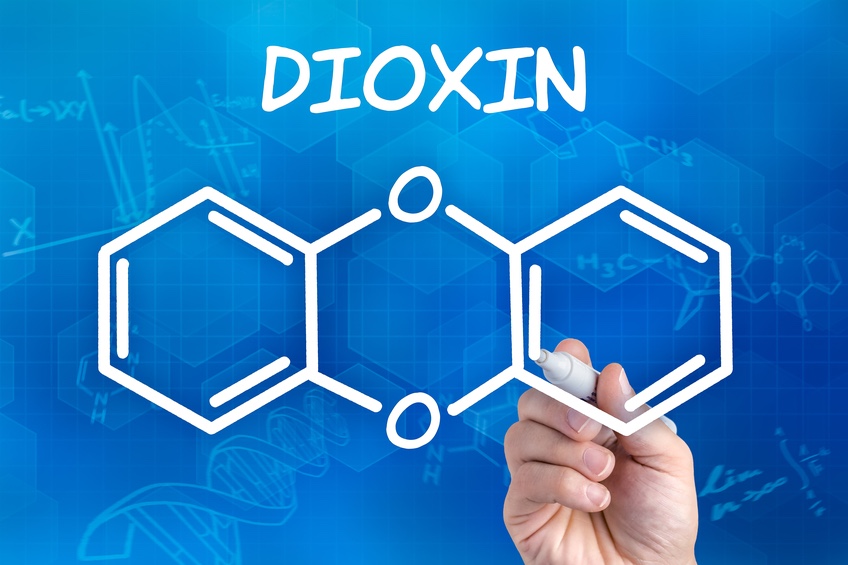
The use of dioxin as a chemical agent dates back to the early 20th century when it was used as a pesticide to control insects and weeds. However, it was during the Vietnam War that dioxin gained notoriety as a defoliant. The United States military used a combination of herbicides, including Agent Orange, to clear dense jungles and destroy crops in Vietnam between 1961 and 1971.
The name Agent Orange came from the color-coded stripe on the barrels used to transport the herbicide. The other colors used were white, blue, pink, and purple. Agent Orange was the most commonly used herbicide during the Vietnam War, accounting for approximately 60% of the total herbicides used.
The use of Agent Orange during the Vietnam War has had devastating consequences for the people and the environment in Vietnam. The herbicide was sprayed over large areas of land, contaminating soil, water, and vegetation. Dioxin can persist in the environment for decades, and as a result, the chemical still lingers in the soil and water in Vietnam, contaminating crops and fish and causing health problems for the people who consume them.
Exposure to dioxin has been linked to a wide range of health problems, including cancer, birth defects, reproductive and developmental problems, immune system damage, and endocrine disruption. The long-term effects of exposure to Agent Orange have been particularly devastating, with many people suffering from chronic health problems for decades after the war.
The use of Agent Orange has also had significant environmental consequences. The herbicide destroyed vast areas of forests, leaving barren landscapes in its wake. The loss of forests has had a significant impact on the biodiversity of the region, with many species of plants and animals losing their habitats.
In response to the widespread use of Agent Orange during the Vietnam War, the international community has taken steps to regulate and reduce the use of dioxin and other persistent organic pollutants. In 2001, the Stockholm Convention on Persistent Organic Pollutants was established to eliminate or reduce the use of 12 of the most hazardous chemicals, including dioxin.
In conclusion, dioxin, also known as Agent Orange, is a highly toxic chemical that has caused significant environmental and health concerns since its discovery in the 1940s. The use of Agent Orange during the Vietnam War has had devastating consequences for the people and the environment in Vietnam, with many people suffering from chronic health problems for decades after the war. The international community has taken steps to regulate and reduce the use of dioxin and other persistent organic pollutants, but the legacy of Agent Orange continues to be felt in Vietnam and around the world.
If you enjoyed reading this blog post and found it informative, we kindly ask that you consider liking and sharing it with your friends and family. By doing so, you’ll be helping us reach a wider audience and spreading valuable information to those who may find it helpful. Additionally, your support means a lot to us, and it motivates us to continue creating high-quality content that you’ll enjoy. So, thank you for taking the time to read our blog, and we hope to see you again soon!
 The Inquisitive Journal