Why Do Some Animals Lick Their Babies and Humans Don’t?
Licking is a common behavior among many animal species, especially among mammals. This behavior is not only for grooming purposes but is also associated with caring for their newborns. The act of licking a newborn serves various purposes, including removing amniotic fluid, cleaning up smells that could attract predators, providing nourishment, and forming a chemical recognition system between mother and offspring. But why do some animals lick their babies while humans do not? In this article, we will explore the reasons behind this behavior and the role it plays in the development of newborns.
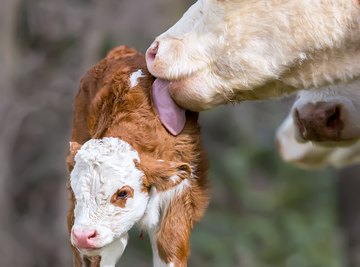
Removal of Amniotic Fluid
According to veterinary professors Donald M. Broom and Andrew F. Fraser, licking removes amniotic fluid from the newborn. This fluid conducts heat away from the body, making the infant colder. By licking the newborn, the mother removes the fluid, which helps keep the infant warmer. Additionally, licking stimulates the newborn and draws the baby’s attention towards the mother.
Cleaning and Protection
Licking also serves a cleaning and protective purpose. It removes any nasty creatures on the surface of the skin, such as bacteria and viruses, which can harm the newborn. Moreover, licking cleans up smells that could signal “a newborn was here” and attract predators. Additionally, eating the placenta and amniotic fluid provides nourishment and replenishes the energy lost in labor.
Chemical Recognition System
Licking is also an early chemo-tactile link that the mother has with her baby. It may be the start of a chemical recognition system between mothers and offspring. There are various bonding behaviors that go on between mother and offspring, and licking may be one of those.
Human Evolutionary Factors
A major reason why humans do not lick their offspring may be that we no longer need to. Human evolution has resulted in the development of functional hands that enable us to clean our newborns without licking. We rely heavily on more sophisticated cognitive behavior, and our visual and tactile senses are very strong. Therefore, the selection might be weaker for a licking behavior.
Skin Stimulation
Anthropologist Ashley Montagu put forward a surprising idea about human babies not being licked. Montagu theorized that human beings do not lick their young because humans have relatively long labors compared with most mammals. He wrote that skin and body stimulation of the infant is crucial because it sets in motion the proper development of organ systems, and licking provides that stimulation. However, anthropologists Donald G. Lindburg and Lester Dessez Hazell argued that Montagu’s conclusion was not justified. They stated that the organ systems of newborns, such as the respiratory, digestive, and genito-urinary systems, do not need stimulation after birth to function correctly.
Please Don’t Eat the Baby
Humans have a natural impulse to “eat the baby,” and this behavior has biological underpinnings. The smell of newborns activates the same neurological system in mothers that is activated when a person is very hungry, which makes humans desire certain foods. Although humans do not typically lick their offspring as other mammals do, we kiss, nuzzle, lip-smack, and pretend to gobble up the new little morsel.
Conclusion
Licking is a behavior that is common among many animal species, especially among mammals. Although it is not a behavior observed in humans, it serves various purposes for animals caring for their newborns. While some animals lick their newborns to remove amniotic fluid and provide nourishment, others do it to clean and protect their young. Moreover, licking helps to form a chemical recognition system between mother and offspring. Although humans do not lick their newborns, they have other ways to care for their offspring, such as kissing and nuzzling
 The Inquisitive Journal