In today’s world, recycling is often portrayed as a solution to the environmental problems caused by waste and the overuse of resources. However, the reality is far more complicated. This article aims to explore the facts and fallacies surrounding recycling, and to shed light on the true state of this much-touted practice.
Recycling is not as simple as it seems. In many cases, the materials that people send to recycling plants will never be recycled. Plastic, in particular, poses a major challenge, as it often cannot be recycled and often clogs up the recycling machines. Despite what we are often told, the amount of plastic actually recycled is a mere 5%.
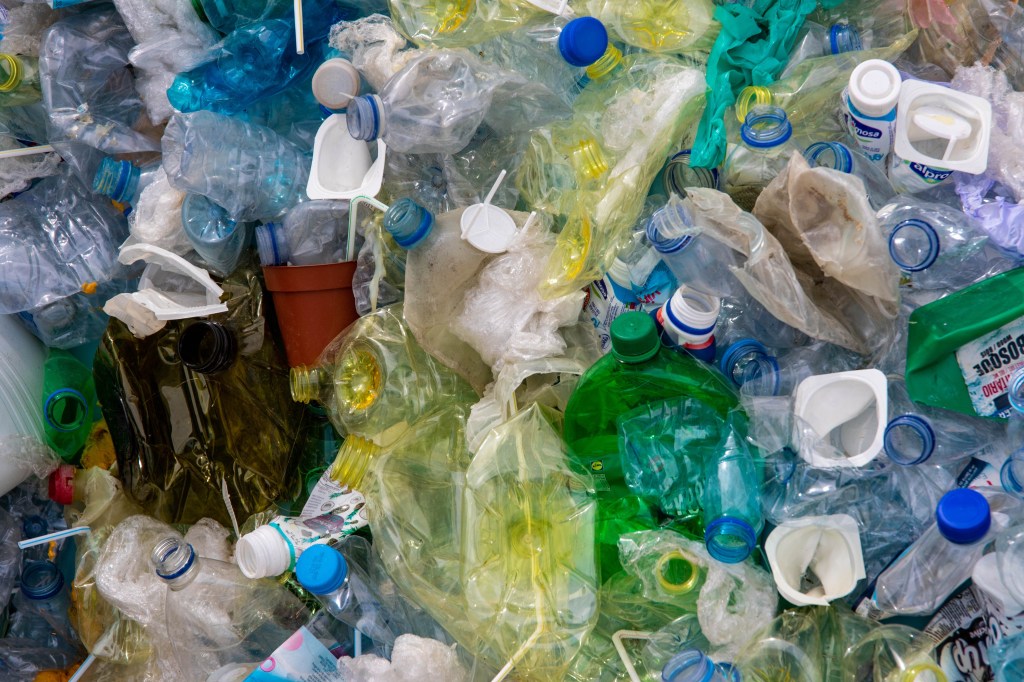
Furthermore, recycling is becoming increasingly expensive and producing materials that are worth less and less. Much of the material is shipped overseas to countries like Malaysia where it is often piled up in vast fields and can even end up in the ocean.
Many towns and cities continue to promote recycling, but it is often a waste of time, money, and resources. The regulations surrounding recycling can be complicated and confusing, and often result in more carbon dioxide being released into the atmosphere. Environmental groups have misled people about recycling for years and are now proposing even more expensive and time-consuming solutions, such as a circular economy.
While recycling may seem like an easy solution to our waste problems, the reality is far more complicated. Before we blindly follow the call to recycle, we should carefully consider the facts and weigh the costs and benefits. Recycling should not be a sacrament, but a well-thought-out and practical solution.
 The Inquisitive Journal