NASA’s Artemis mission is a bold and ambitious undertaking, with the goal of landing the first woman and the next man on the lunar surface by 2024. But this mission is not just about landing a few modules or landers on the moon – NASA has big plans to colonize the lunar surface and create a working lunar city. To achieve this goal, NASA has awarded a nearly $60 million contract to the company Icon to build out the infrastructure for this lunar city.

One of the key technologies that Icon will be using to construct this lunar city is 3D printing. With this technology, they will be able to create a variety of structures and infrastructure, including crew homes, laboratories, roads, launch pads, and blast shields. The materials for these structures will primarily come from the lunar regolith (or soil) that is readily available on the surface of the moon.
The use of 3D printing technology in the construction of a lunar city is a game-changer. Traditional construction methods rely on pre-fabricated materials that have to be transported from Earth to the lunar surface. This is a costly and time-consuming process that greatly limits the amount of material that can be brought to the moon. With 3D printing, however, materials can be sourced from the lunar regolith, which is abundant on the surface of the moon. This not only reduces the cost of transportation but also allows for the construction of larger and more complex structures.
The Artemis mission was initially delayed, but now it is well underway. With the second and third launches planned in the near future, humanity’s first off-world colony on another moon or world is just right around the corner. The Artemis mission will not only pave the way for lunar colonization, but it will also provide valuable insights and technologies that can be used in future missions to Mars and other celestial bodies.
The construction of a working lunar city is a monumental task that will require the cooperation of multiple agencies and private companies. NASA’s partnership with Icon is just the beginning of a long-term collaboration that will involve many other organizations and individuals. The Artemis mission is not only a step towards lunar colonization, but it is also a demonstration of the capabilities and potential of human ingenuity and innovation.

The Artemis mission is not just about landing on the moon and building a lunar city, it is also about advancing our understanding of the moon and its resources. The lunar regolith, for example, contains a wealth of valuable resources such as Helium-3, a isotope that could potentially be used as a fuel for nuclear fusion. The Artemis mission will provide valuable insights into the distribution and abundance of these resources, which could be used to power future lunar colonies.
The construction of a lunar city will also provide valuable insights into the challenges of living and working on the lunar surface. The harsh and unforgiving conditions of the moon will present many challenges, including the need for radiation protection, dust management, and thermal regulation. The Artemis mission will provide valuable insights into these challenges and help to develop solutions that can be used in future missions.
The Artemis mission is also a step towards international cooperation and collaboration. NASA has already signed agreements with multiple international partners, including the European Space Agency, the Canadian Space Agency, and the Japanese Aerospace Exploration Agency. The Artemis mission will provide a platform for international cooperation and collaboration that can be used in future missions to Mars and other celestial bodies.
The Artemis mission is a bold and ambitious undertaking that has the potential to change the course of human history. The construction of a working lunar city is a monumental task that will require the cooperation of multiple agencies and private companies, but with the use of 3D printing technology and the sourcing of materials from the lunar regolith, it is a feasible goal. The Artemis mission is not just about landing on the moon and building a lunar city, it is also about advancing our understanding of the moon, its resources and the challenges of living and working on the lunar surface.
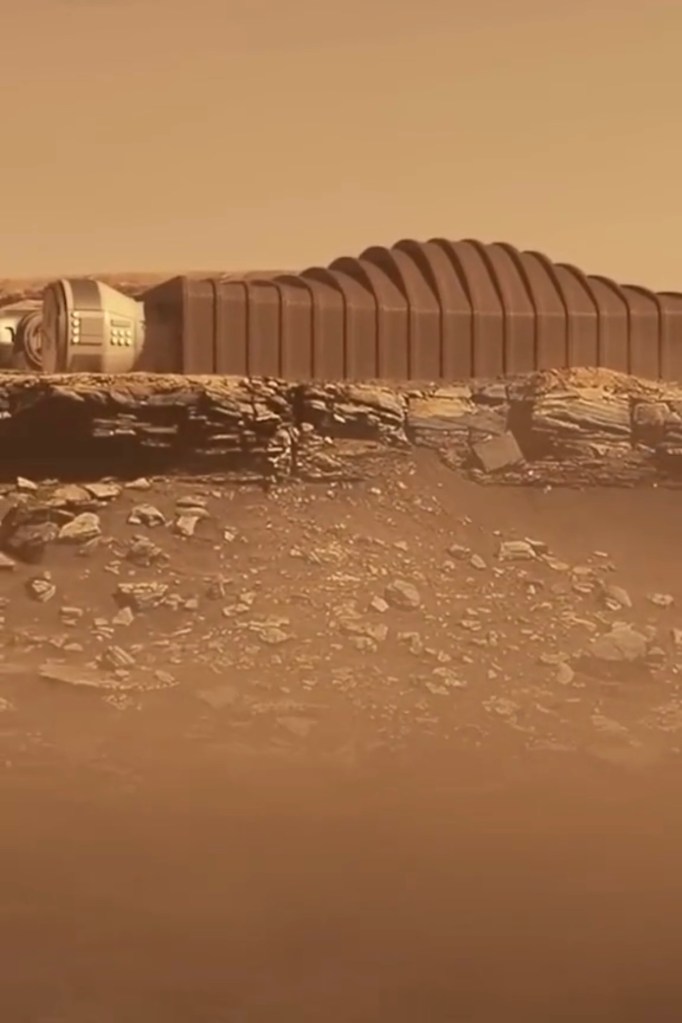
The Artemis mission will also pave the way for international cooperation and collaboration that can be used in future missions to other celestial bodies. The Artemis mission is a step towards humanity’s first off-world colony, and it is just right around the corner. The possibilities and potential of lunar colonization are endless, and the Artemis mission is the first step towards realizing them.
 The Inquisitive Journal