When it comes to photography, shutter speed is one of the most important settings to understand. Simply put, shutter speed is the amount of time that the camera’s sensor is exposed to light. In other words, it’s how long the camera’s “shutter” is open when you take a picture.
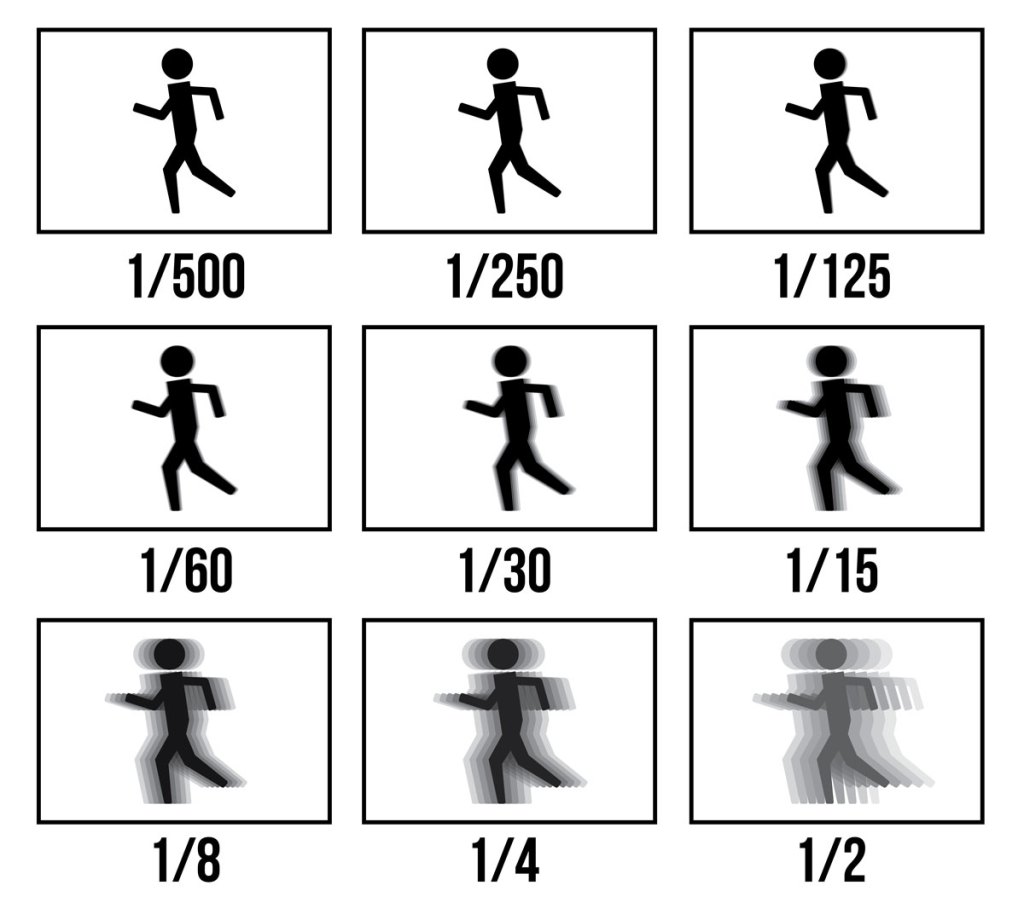
When you’re taking a photo, the camera’s sensor is exposed to light as soon as you press the shutter button. The longer the sensor is exposed to light, the more light will be captured in the final image. Conversely, the shorter the exposure time, the less light will be captured. This is where shutter speed comes in – it controls how long the sensor is exposed to light.
Shutter speed is measured in fractions of a second, and it can range from a fraction of a second to several seconds or even minutes. The most common shutter speeds you’ll encounter in photography are 1/1000th of a second, 1/500th of a second, 1/250th of a second, and so on. These faster shutter speeds are great for capturing fast-moving subjects, such as sports or wildlife, as they allow you to freeze the action.
On the other hand, if you want to capture a sense of motion in your photos, you’ll want to use a slower shutter speed. This can be done by selecting a longer shutter speed, such as 1/30th of a second or 1/15th of a second. When using a slower shutter speed, it’s important to use a tripod or other stabilizing device to keep the camera steady, as any camera shake will be exaggerated at slower shutter speeds.
In conclusion, shutter speed is an important setting to understand when it comes to photography. It allows you to control the amount of light that is captured in your photos, and can be used to freeze or show motion in your images. Whether you’re shooting fast-moving subjects or want to capture the beauty of a landscape, understanding how to control your shutter speed is essential for creating the perfect shot.
 The Inquisitive Journal