When it comes to photography, depth of field is an important concept to understand. In short, depth of field refers to the amount of an image that is in focus. A shallow depth of field means that only a small portion of the image is in focus, while the rest is blurred. This can be a powerful tool for photographers, as it allows them to draw attention to a specific subject within an image.
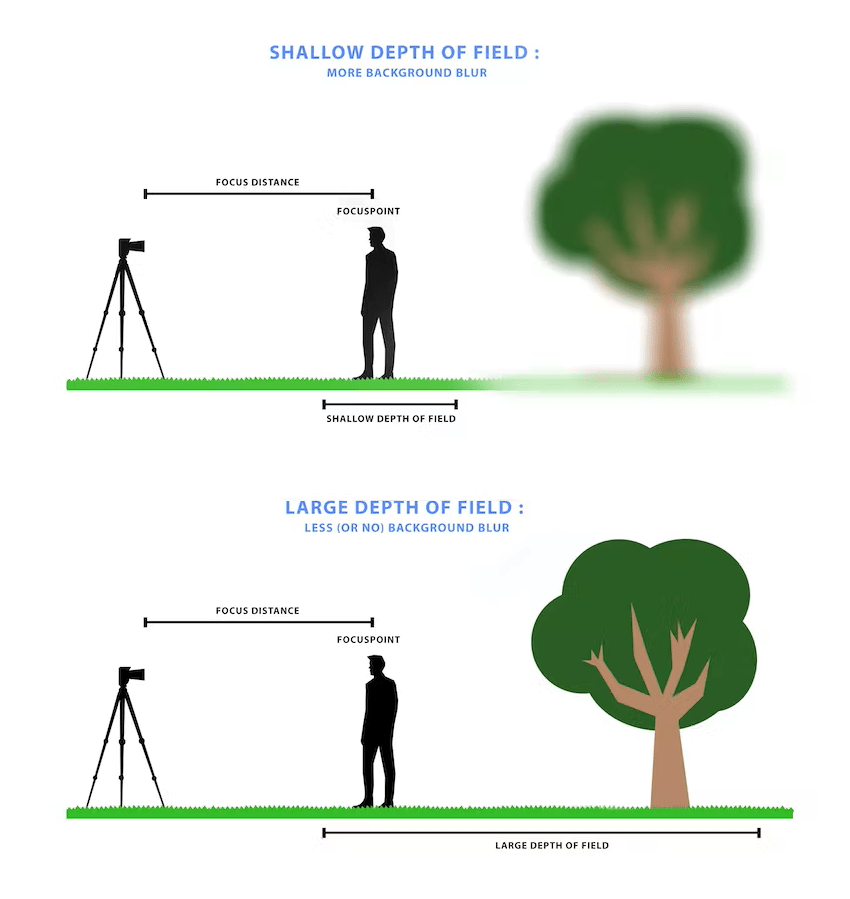
One of the main ways to control depth of field in photography is through aperture. Aperture refers to the size of the opening in the lens through which light enters the camera. The larger the aperture, the shallower the depth of field will be. Conversely, a smaller aperture will result in a larger depth of field. This is because a larger aperture allows more light to enter the camera, which can make it difficult to keep the entire image in focus.
Another factor that affects depth of field is focal length. A longer focal length (such as a telephoto lens) will result in a shallower depth of field than a shorter focal length (such as a wide-angle lens). This is because longer focal lengths compress the image, making it appear closer and resulting in a shallower depth of field.
A shallow depth of field can also be used to create a pleasing aesthetic known as bokeh. Bokeh refers to the aesthetic quality of the out-of-focus areas in an image. When done correctly, bokeh can add a sense of depth and dimensionality to an image.
In conclusion, understanding and controlling depth of field is an important part of photography. By manipulating aperture and focal length, photographers can create images with a shallow depth of field that draw attention to a specific subject. Additionally, by creating bokeh, photographers can add an extra dimension of aesthetic appeal to their images.
 The Inquisitive Journal