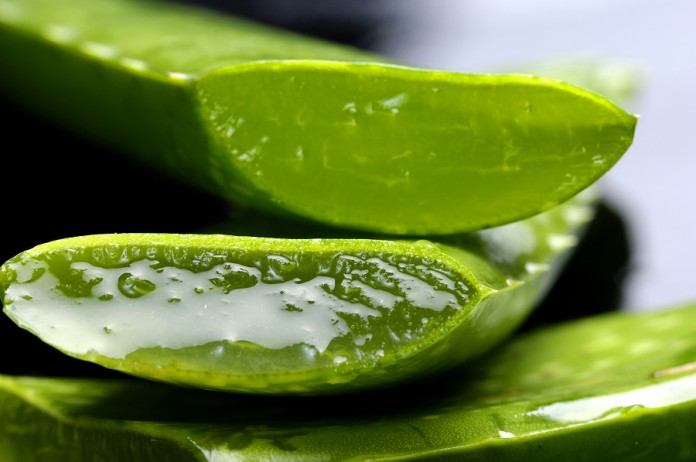
 Come summer, you know you’ll get that beginning of season burn – but it’ll be okay, because you have aloe vera at home, you think. Except – if you bought that aloe vera at Wal-Mart, CVS, or Target, there’s a good chance there may not actually be any aloe vera in your aloe vera.
Samples of store-brand aloe gel purchased at national retailers Wal-Mart, Target and CVS showed no indication of the plant in various lab tests. The products all listed aloe barbadensis leaf juice — another name for aloe vera — as either the No. 1 ingredient or No. 2 after water.
As the U.S.D.A doesn’t approve cosmetics before they’re sold (which allows countless harmful chemicals in health care products, us, and our environment- all in the name of profit), suppliers are on the honor system.
Aloe’s three chemical markers — acemannan, malic acid and glucose — were absent in the tests for Wal-Mart, Target and CVS products conducted by a lab hired by Bloomberg News. The three samples contained a cheaper element called maltodextrin, a sugar sometimes used to imitate aloe. The gel that’s sold at another retailer, Walgreens, contained one marker, malic acid, but not the other two. That means the presence of aloe can’t be confirmed or ruled out, said Ken Jones, an independent industry consultant based in Chapala, Mexico.
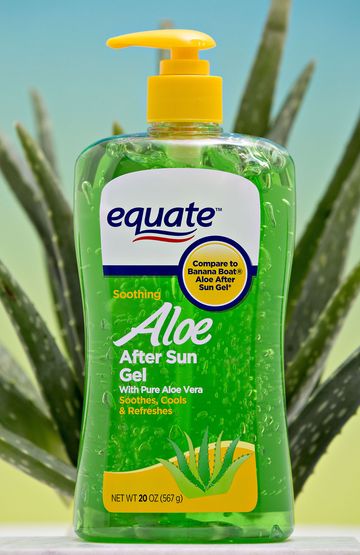
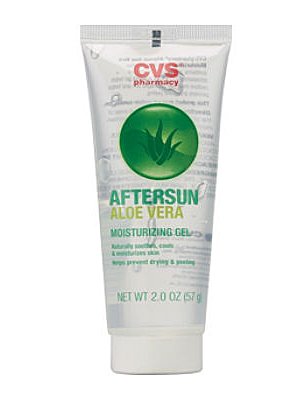
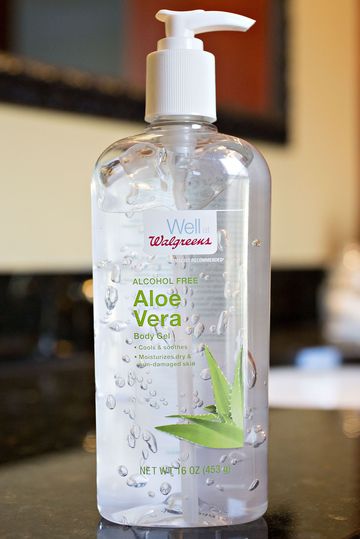
The four gels that Bloomberg had analyzed were Wal-Mart’s Equate Aloe After Sun Gel with pure aloe vera; Target’s Up & Up Aloe Vera Gel with pure aloe vera; CVS Aftersun Aloe Vera Moisturizing Gel; and Walgreens Alcohol Free Aloe Vera Body Gel. The lab that did the testing requested anonymity to preserve its business relationships.
The tests used a technique called nuclear magnetic resonance. It found additives such as maltodextrin and other ingredients, like triethanolamine, an emulsifier. In all the samples, lactic acid, a component that indicates degraded aloe vera, was absent.
Hmmmm.
Fruit of the Earth, the Texas-based company that makes the gels for Wal-Mart, Target, and Walgreens said their aloe supplier, Concentrated Aloe Corp., uses fair trade, organic aloe that’s farmed and processed in Guatemala.
Someone is not telling the truth (even though they just got caught)!
As Tim Meadows, president of Concentrated Aloe Corp., sees it, “nuclear magnetic resonance” isn’t a reliable test on the aloe products because “the presence of multiple ingredients can cause interference and there’s no way to test for aloe in finished products.”
So, while it’s true that nuclear magnetic resonance wasn’t designed to study aloe vera in cosmetics, the lab results still suggest that the plant isn’t a major component of the products.

Source: organicandhealthy.org
~Like, Comment, Share, Subscribe, & Enjoy!~
Trevor<[p>
 The Inquisitive Journal